Cool Summer versus Soft Summer hair color is a close call because both directions can like coolness, ash tones, and softness more than obvious gold or copper. The useful difference is not a rigid seasonal label. It is whether your face looks better beside a cleaner, cooler shade or beside one that is slightly more muted and blended. Looking at your natural root, everyday clothes, and a daylight photo gives a more honest answer than a palette screenshot.
The deciding factor is usually clarity versus mutedness, not a longer shade list
Both palettes are often shown with ash blonde, cool brown, and dusty rose-brown hair, so a shopping list does not settle much. Cool Summer tends to tolerate a little more clarity: a cooler silver blonde, a clearer blue-based brown, or a more distinct contrast between hair and skin. Soft Summer usually looks more at home in blended, softened color such as mushroom brown, muted beige brown, and low-contrast highlights.
Try a fabric test before treating this as a permanent decision. Hold a clear cool pink and a softened mauve near your face in daylight. Then compare a bright steel-blue top with a smoky blue-gray one. If the clear colors make your eyes look more present without emphasizing redness, the Cool Summer direction may be easier. If the softer versions make your complexion settle and the clear ones feel a bit loud, Soft Summer may describe your best hair direction more closely.
There is no need to force a final category from one test. Indoor bulbs, self-tanner, makeup, and even a phone camera can shift the impression. The point is simply to notice which amount of saturation lets your features appear first. Hair color works best when it supports that same balance instead of trying to win the room on its own.
Read your natural contrast in a window photo before changing the root
Natural contrast means the visible difference among hair, brows, eyes, and skin. It is not a score and it is not just whether your hair is dark. Take a makeup-free photo facing a window, with your natural root visible and no portrait-mode smoothing. Squint at the image or reduce it to black and white if you can. Do your brows and eyes still look defined beside your hair, or does everything blend gently together?
A person with moderate, cool contrast may find that a clean ash blonde or cool medium brown keeps that definition intact. Someone whose features blend in a quieter way often looks more balanced with a softened root and less obvious highlight placement. This is where a heavily striped blonde can look disconnected even if every individual tone is cool. The color has too much contrast for the face, not necessarily too much lightness.
| What you notice in daylight | Cool Summer direction to test | Soft Summer direction to test |
|---|---|---|
| Features stay visible next to clear cool colors | Cool ash blonde, cool pearl, medium ash brown | Try only softly blended versions of these shades |
| Clear colors look separate from your face | Lower the contrast and avoid stark face-framing pieces | Mushroom brown, taupe, muted beige brown |
| Natural root is dark blonde to medium brown | Fine cool highlights or a clearer gloss can add definition | Keep the root diffused and highlights close in value |
| Warmth appears quickly after coloring | Use cool maintenance with restraint | Choose a muted formula rather than repeatedly over-toning |
Use this as a comparison tool, not a verdict. A good colorist will also look at previous dye, texture, gray coverage, and your tolerance for upkeep. Those details can change the safest technique even when two people prefer the same finished tone.
When ash blonde looks sharp rather than soft
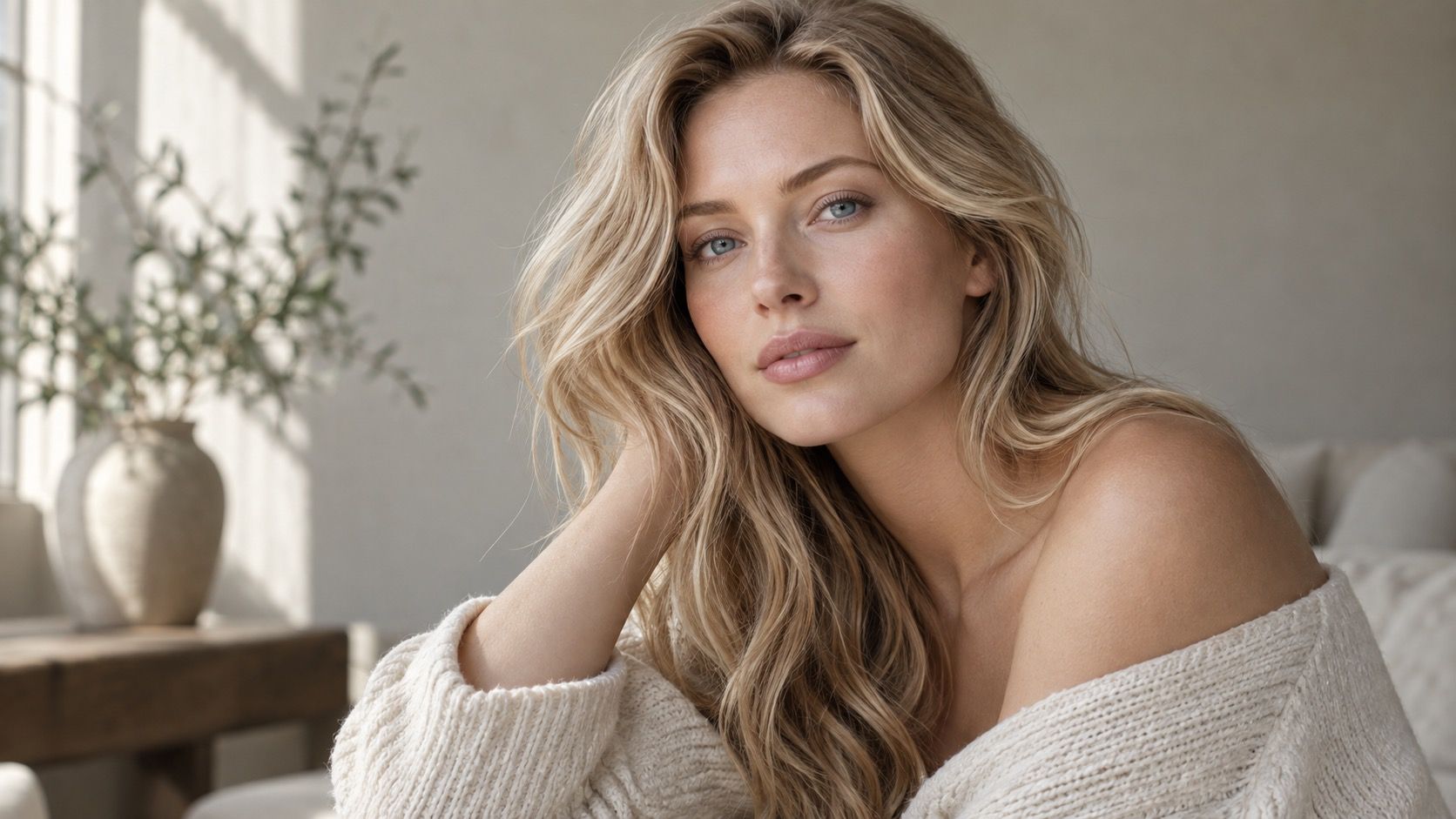
Ash blonde is not one color. It can be a clean pale silver, a neutral-beige blonde with a cool cast, or a smoky tone that looks almost gray on porous ends. A brighter, cooler ash blonde often makes sense for a Cool Summer direction when the skin can handle a little clarity and the brows still anchor the face. It should look fresh, not frosted over.
For Soft Summer, the same formula can feel too sharp when the root is dark, the brows are delicate, or the wardrobe is full of muted colors. The answer is not necessarily to add warmth. Often a lower-contrast placement works better: fine highlights instead of a bold money piece, a shadow root, or a beige-ash gloss that softens the transition. In a daylight mirror, the hair should look like part of the face’s atmosphere, not a bright border around it.
Ask to see the shade with the toner beginning to fade, not only immediately after styling. Fresh toner can make almost any blonde look cool and even. After several washes, hidden yellow or orange may return, especially if the underlying lift was warm. Purple shampoo can help with yellow, but used too frequently it can leave light, porous lengths looking matte or slightly violet. A professional should explain the maintenance rhythm rather than promising a permanent icy finish.
Use soft browns and beige tones when blending matters more than sparkle
Soft browns are sometimes dismissed as boring because they do not announce themselves under salon lighting. In real life, a good mushroom brown or muted beige brown can make skin look calmer and eyes look more noticeable. This is often the more forgiving Soft Summer route, especially if you have a natural dark-blonde or medium-brown root and do not want a hard regrowth line every month.
The important check is undertone. Beige can lean yellow, and brown can conceal red warmth until daylight exposes it. Bring an unedited reference photo and ask the colorist to name what keeps the result muted: cool violet, blue-green balance, depth, or simply the absence of bright gold. Vague language such as “cool beige” is not enough if you have had brassiness before.
Cool Summer can wear soft brown too, but it may need a little more visible definition. A few finely placed cool ribbons around the face or a clearer gloss can prevent the result from becoming dull. Soft Summer usually benefits from the opposite restraint: highlights that are only a level or two lighter than the base and a root that melts rather than contrasts. The two looks can share ingredients while using a different amount of them.
Let your wardrobe and ordinary photos settle the close calls
When two shades both look plausible in a salon chair, test them against clothes you already reach for. Put on a clear cool navy or raspberry top, then a smoky rose, dove gray, or muted teal. Take quick photos by a window at the same time of day. A Cool Summer-leaning hair color often looks most awake with the clearer cool pieces. A Soft Summer-leaning choice usually makes the gentler, grayer colors look intentional instead of faded.
Do not judge only by the hair. Check whether the skin around your nose, mouth, and eyes looks even, and whether your eye color is visible without heavy makeup. A shade can be beautiful in isolation and still ask you for more foundation, darker brows, or brighter lipstick than you normally enjoy. That is a practical cost, even if no one in a salon calls it one.
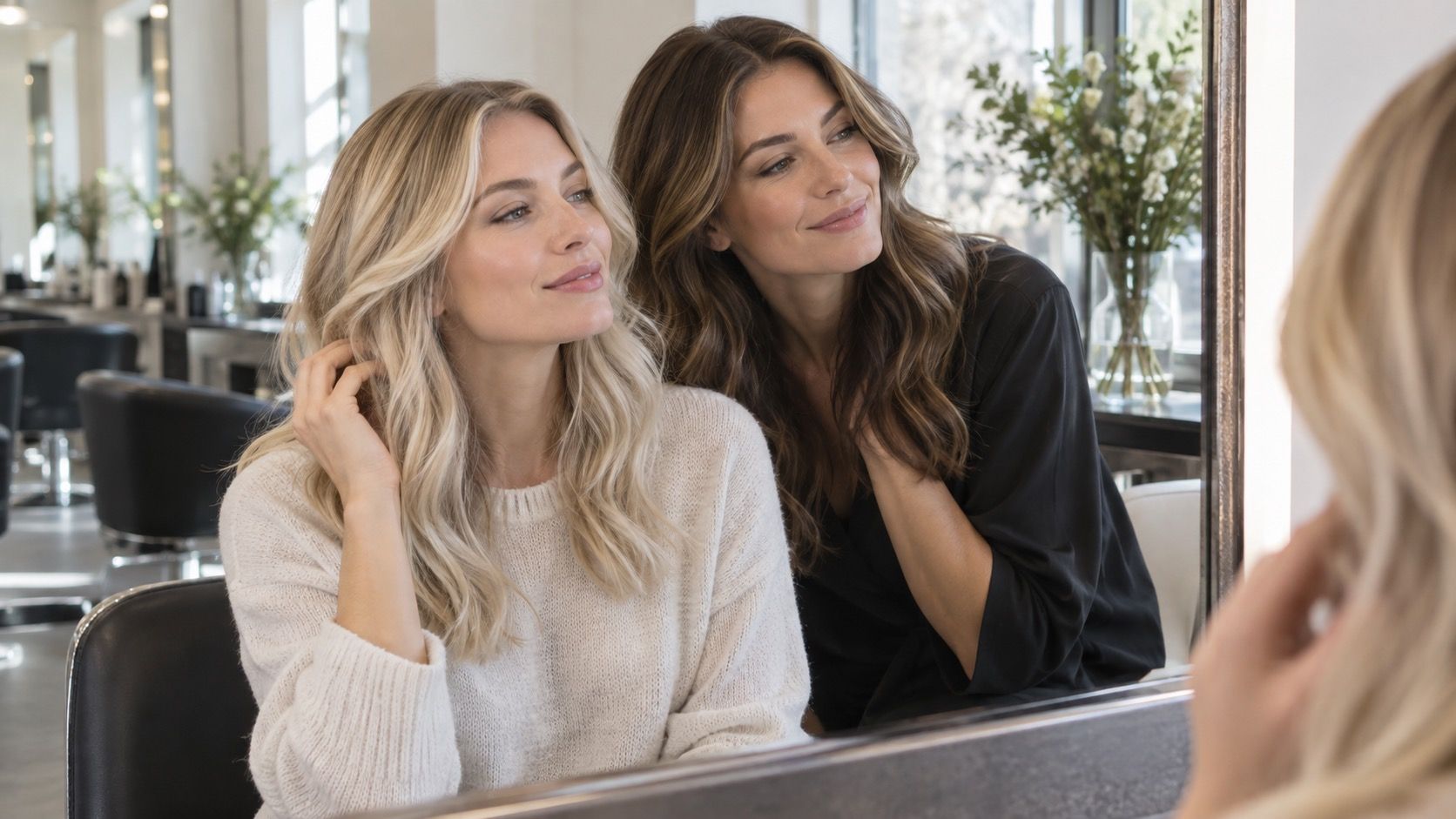
A virtual try-on is useful here because it lets you compare the overall temperature and contrast without making a chemical commitment. Try a clean cool ash blonde, a muted ash blonde, a cool medium brown, and a soft beige brown using the same neutral portrait. It cannot predict exact lift or fade, but it can reveal which direction competes least with your usual features and clothing.
Choose a low-risk first move if the season is still uncertain
You do not need a decisive label before making a sensible hair appointment. Start with a demi-permanent gloss, subtle lowlights, or a small amount of face-framing dimension instead of a full bleach-and-tone transformation. These options let you test clarity and mutedness while preserving more flexibility. If the result feels too smoky, a later appointment can add definition; if it feels too crisp, it can be softened with a more blended formula.
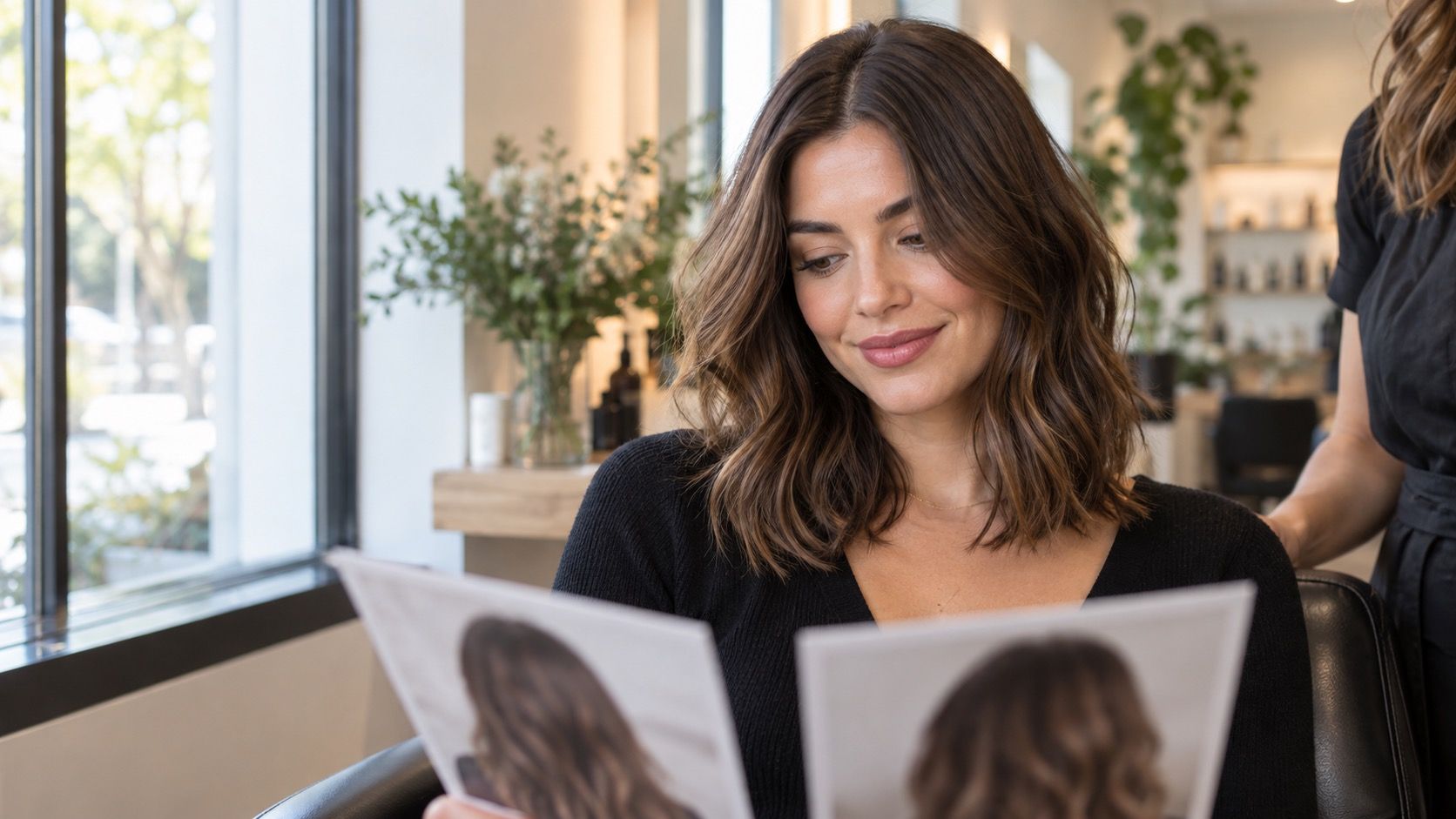
Bring a record to the consultation: a current daylight photo, two color references that show the finish outdoors, and a note about what has gone wrong before. Maybe blonde became yellow at week three, brown pulled red, or a gray toner made the ends look dull. That history is more useful than saying you are “definitely” one season. It tells the colorist what the hair itself tends to do.
For any at-home color, follow the manufacturer’s instructions and patch-test beforehand. Avoid stacking permanent dye over a result you simply dislike in the mirror; that is how soft, wearable color becomes opaque and unpredictable. Whether you land on Cool Summer hair colors or Soft Summer hair colors, the winning result is usually the one that looks calm in daylight, grows out without drama, and does not require you to rebuild your makeup bag around it.